
7 Best Jamaican Ska Songs: Roots, Rhythm & Riddim
If you want to understand where modern music really comes from, you need to spend serious time with the 7 best Jamaican ska songs — the records that lit the fuse on everything from reggae to punk to dancehall.
Quick Comparison Table
| # | Song | Artist | Year | Style | Best For |
|---|---|---|---|---|---|
| 1 | My Boy Lollipop | Millie Small | 1964 | Pop Ska | Party opener |
| 2 | Simmer Down | The Wailers | 1964 | Roots Ska | Deep listening |
| 3 | Al Capone | Prince Buster | 1964 | Rude Boy Ska | Dance floor |
| 4 | Oh Carolina | The Folkes Brothers | 1960 | Early Ska | History buffs |
| 5 | Guns of Navarone | The Skatalites | 1965 | Instrumental Ska | DJ sets |
| 6 | Madness | Prince Buster | 1963 | Rude Boy Ska | First-timers |
| 7 | Easy Snappin’ | Theophilus Beckford | 1956 | Proto-Ska | Deep cuts |
I’ve been spinning records for over two decades, and ska never gets old on a dance floor — there’s a physical pull in that upstroke guitar that makes bodies move whether they know the genre or not. These seven tracks aren’t just historically significant; they’re genuinely, undeniably fun to play and to hear.
What I love about Jamaican ska is how it tells the whole story of a young nation finding its voice. Jamaica gained independence in 1962, and ska was the sound that came bursting out of that moment — fast, joyful, and ferociously original. The genre pulled American R&B and jazz through a uniquely Jamaican filter and came out the other side as something nobody had ever heard before.
Compiling this list, I went back through my crates and my notes from years of research trips, interviews, and late-night listening sessions. I wanted songs that represent the full arc of the genre — from its proto-ska roots in the late 1950s to the sophisticated rude-boy anthems of the mid-1960s. Every track here earned its place.
Table of Contents
List Of Jamaican Ska Songs
1. My Boy Lollipop — Millie Small
🎯 Why this made the list: This is the record that introduced Jamaican ska to the entire world and still sounds like pure sunshine six decades later.
📅 1964 · 🎵 Pop Ska · ▶️ 12.4M views · 🎧 28M streams
Released in 1964 on Fontana Records, My Boy Lollipop was produced by Chris Blackwell — the man who would later found Island Records and sign Bob Marley. Millie Small was just fourteen years old when she recorded the track in London, but she had a confidence and brightness that leapt straight off the vinyl. The song became an international phenomenon almost instantly.
Musically, the track is a masterclass in accessible ska. That choppy offbeat rhythm guitar locks in perfectly with a bouncy harmonica line that became one of the most recognisable hooks of the 1960s. The tempo is faster than most pop records of the era, and that ska upstroke carries an infectious energy that made it impossible to ignore. Session musicians including Rod Stewart — yes, that Rod Stewart — reportedly played harmonica on early takes, though that remains a fun piece of disputed music history.
Every time I drop this one into a set, whether I’m playing a Caribbean music night or a retro party, the floor lights up immediately. There’s no barrier of entry with this song — it greets you like an old friend even on first listen. That’s a rare and precious quality that I’ve always admired, and it’s why this track sits at number one on my list.
Commercially, My Boy Lollipop reached number 2 in both the UK and US charts, making it one of the first Jamaican recordings to achieve true international chart success. It sold over seven million copies worldwide, a staggering figure for a debut release. It opened the door for Jamaican music on the global stage and proved there was a massive appetite for that Kingston sound beyond the island’s shores.
2. Simmer Down — The Wailers
🎯 Why this made the list: A teenage Bob Marley’s first hit is a raw, urgent slice of ska that carries the seeds of everything he would become.
📅 1964 · 🎵 Roots Ska · ▶️ 8.7M views · 🎧 14M streams
Simmer Down was recorded in October 1963 at Studio One — the legendary Kingston studio run by Clement “Coxsone” Dodd — and released in January 1964. Bob Marley was just eighteen years old, fronting a group that included Peter Tosh and Bunny Wailer. The song shot to number one on the Jamaican charts within weeks of release, an extraordinary debut for a group of teenagers from Trench Town.
The track hits hard from the very first bar. The Skatalites provide the backing — their horn arrangements are punchy and driving, pushing Marley’s voice forward with urgency. The ska rhythm is unmistakable, that emphatic offbeat chop locking in with the walking bass line in a way that feels both loose and completely disciplined. Lyrically, the song is an appeal to rude boys to cool their aggression, which is remarkable given how young its author was — there’s a wisdom and social conscience here that would define Marley’s entire career.
I remember the first time I really sat with this record as part of my deeper Jamaican music education. I knew the later Marley catalog by heart, but hearing this — hearing him as a teenager, this rough and hungry — genuinely moved me. It recontextualised everything I thought I knew about his journey. For a DJ, that kind of historical revelation is gold.
Simmer Down spent two months at the top of the Jamaican charts and established the Wailers as a force to be reckoned with. It also put Studio One on the map as ground zero for ska and cemented Coxsone Dodd’s reputation as the most important producer on the island. The song remains one of the most important recordings in the history of Jamaican music, full stop.
3. Al Capone — Prince Buster
🎯 Why this made the list: Swaggering, cinematic, and impossibly cool, this is the rude-boy anthem that defined an entire subculture.
📅 1964 · 🎵 Rude Boy Ska · ▶️ 6.2M views · 🎧 9.5M streams
Cecil Bustamente Campbell — known to the world as Prince Buster — was one of the true architects of Jamaican ska, and Al Capone stands as his most enduring creation. Recorded at his own studio and released on his Wild Bells label in 1964, the track draws an explicit parallel between the rude boys of Kingston and the legendary American gangster. It reached the UK charts in 1967, giving it a remarkably long commercial tail.
The musical construction of Al Capone is breathtakingly confident. The opening blast of brass sets a cinematic tone before that iconic ska rhythm comes crashing in — fat, emphatic, and absolutely relentless. Prince Buster’s vocal delivery is theatrical and authoritative, riding the rhythm with total command. The horn charts are some of the best ever recorded in the ska idiom, punchy and melodic in equal measure.
In my DJ sets, Al Capone is one of those records I hold back for the right moment. When the crowd is warm and you want to deliver something that feels like a genuine discovery, this is it. Even people who’ve never heard a note of ska in their lives respond to it physically — there’s something primal in that rhythm section. I’ve played it at everything from Jamaican heritage nights to general world-music sets and it always, always works.
The song’s cultural reach extended far beyond its original release. The English Beat sampled it, and it became a touchstone for the 2 Tone ska revival movement in the UK in the late 1970s. Madness — the beloved British ska band — famously took their name from another Prince Buster song, illustrating just how deeply his work penetrated British music culture. Al Capone is ska royalty, and it belongs near the top of any serious list.
4. Oh Carolina — The Folkes Brothers
🎯 Why this made the list: Widely considered the first true ska record ever made, this 1960 track is the Big Bang of an entire musical universe.
📅 1960 · 🎵 Early Ska · ▶️ 3.1M views · 🎧 5.2M streams
Recorded in 1960 and produced by Prince Buster at Federal Recording Studio in Kingston, Oh Carolina by the Folkes Brothers is widely cited by music historians as the first ska record ever released. What makes it particularly extraordinary is the presence of Count Ossie — a master Nyahbinghi Rastafarian drummer — whose percussion gives the track a spiritual, African-rooted dimension that no previous Jamaican pop record had contained. It was a genuinely revolutionary sound.
Musically, Oh Carolina sits at a fascinating crossroads. You can hear the mento and calypso roots of Jamaican folk music, the American R&B influence coming through the radio from New Orleans and Miami, and something entirely new emerging from the collision — that bright, syncopated, forward-leaning rhythm that would become the DNA of ska. Count Ossie’s Nyahbinghi drums create a hypnotic undertow beneath the more conventional pop elements, and the result is unlike anything that came before it.
As a DJ and a music lover, I find origin stories endlessly compelling, and this is one of the great ones. Oh Carolina isn’t just historically significant — it’s genuinely beautiful. There’s a rawness and an emotional directness to it that sophisticated production can never manufacture. Shaggy covered it in 1993 and took it to number one in the UK, which introduced a whole new generation to the song, but the original is the one that stops me in my tracks every time.
The original 1960 recording didn’t chart internationally, but its influence on every Jamaican musician who came after it is incalculable. Its importance was recognized belatedly by the global music community through the enormous success of the Shaggy cover, which sold millions and re-elevated the original in critical esteem. It now stands as a foundational document in the history of popular music — not just Jamaican music, but global pop.
5. Guns of Navarone — The Skatalites
🎯 Why this made the list: The Skatalites were the greatest ska band of all time, and this instrumental is their most thrilling and perfect recording.
📅 1965 · 🎵 Instrumental Ska · ▶️ 4.8M views · 🎧 7.3M streams
The Skatalites were the house band at Studio One and the musicians behind virtually every significant ska recording made in Jamaica in the early 1960s. Guns of Navarone, released in 1965 and inspired by the 1961 war film of the same name, showcases everything that made them the most important ensemble in the history of the genre. It was arranged by Don Drummond, the tragic trombonist genius whose shadow looms over all of Jamaican music.
The track opens with a dramatic trombone fanfare before the full band locks into one of the most propulsive ska rhythms ever recorded. Don Drummond’s trombone work throughout is extraordinary — technically flawless and emotionally charged in a way that very few instrumentalists of any genre have ever matched. Tommy McCook’s tenor saxophone weaves around the rhythm section with cool authority, and the whole thing moves with a cinematic sweep that fully justifies the dramatic title.
I’ve used Guns of Navarone as a DJ tool more times than I can count. It’s one of those rare instrumentals that works as both a set opener and a peak-time record, depending on how you handle the mix around it. The energy it generates is completely out of proportion to its modest running time. Every time the horns hit that main theme, I see people stop mid-conversation and start moving without even realizing they’re doing it.
The Skatalites disbanded in 1965 — partly due to Don Drummond’s tragic descent into mental illness — but their recordings remained the backbone of Jamaican music for decades. Guns of Navarone in particular became a beloved touchstone for the 2 Tone movement and has been covered and referenced by artists across genres worldwide. Don Drummond is now recognised as one of the greatest trombone players in the history of any form of popular music, and this track is exhibit A for that argument.
6. Madness — Prince Buster
🎯 Why this made the list: The song that named one of Britain’s best-loved bands is a stomping, anarchic masterpiece of the rude-boy era.
📅 1963 · 🎵 Rude Boy Ska · ▶️ 2.9M views · 🎧 4.1M streams
Prince Buster recorded Madness in 1963, placing it right at the heart of ska’s golden period. The song depicts the chaotic energy of Kingston street life with dark humour and infectious swagger — themes that resonated deeply with Jamaica’s restless rude-boy youth culture. When a group of young men from North London discovered it in the late 1970s, they liked the song so much they named their band after it, ensuring its immortality in British pop history.
The musical arrangement is looser and more raucous than Prince Buster’s most polished work, which is precisely what gives it its power. The rhythm section drives hard, the brass section punches with gleeful aggression, and Buster’s vocal performance has a manic quality that perfectly suits the lyrical theme. It’s less refined than Al Capone but arguably more viscerally exciting — a raw, live-wire energy runs through every second of it.
There’s a great story I love to tell about this track: the first time I played it at a ska night in London, someone in the crowd literally shouted “Madness!” as if they’d spotted an old friend. Of course, they were thinking of the band — but in that moment, the connection between the 1963 Kingston original and the 1979 Camden revival was alive and palpable in the room. That’s the power of great music across time and geography.
While the original 1963 recording was primarily a Jamaican hit, its legacy through the British band Madness has made it one of the most culturally visible songs on this list globally. Countless people who have never consciously engaged with Jamaican ska know the name of this song through the band it inspired. It represents one of the clearest, most direct lines of musical lineage in the entire story of popular music — from Kingston to North London to the world.
7. Easy Snappin’ — Theophilus Beckford
🎯 Why this made the list: This is where it all began — a lean, rolling piano-led groove from 1956 that contains the embryonic DNA of ska in every bar.
📅 1956 · 🎵 Proto-Ska · ▶️ 1.4M views · 🎧 2.3M streams
Recorded in 1956 and released by Clement Dodd’s Downbeat sound system, Easy Snappin’ by Theophilus Beckford is one of the oldest and most important recordings in the history of Jamaican popular music. Some historians place it even earlier in the proto-ska timeline than Oh Carolina, making it a strong contender for the title of the first ska record. Beckford was a gifted pianist who absorbed American boogie-woogie and R&B and began transforming it into something distinctly Jamaican.
The track is built around Beckford’s rolling piano, which carries that signature ska anticipation beat — the emphasis landing just before the beat in a way that creates an irresistible forward momentum. It’s leaner and simpler than the fully-formed ska of the early 1960s, but the blueprint is unmistakably there. The groove has a casual, almost effortless quality — the title Easy Snappin’ is perfectly self-descriptive — but there’s nothing accidental about how precisely everything locks together.
I put this track last on the list but I want to be clear: in terms of historical importance, it belongs right at the top of the conversation. I first heard it on a deep-dive research listening session about ten years ago, and it genuinely made me catch my breath. You can hear the whole future of Jamaican music in those piano patterns — it’s like finding the root of a tree that eventually grew to shade the entire world. For any serious music lover, this is essential listening.
Theophilus Beckford never achieved the international fame of Millie Small or Prince Buster, but among Jamaican music scholars and dedicated fans he is revered as a genuine pioneer. Easy Snappin’ has been cited in academic works on the origins of ska and featured in documentary films about Jamaican music history. Its modest streaming numbers belie its enormous influence — this is one of those records whose impact is measured not in streams but in the entire genre it helped to birth.
Fun Facts: Jamaican Ska Songs
My Boy Lollipop — Millie Small
Simmer Down — The Wailers
Al Capone — Prince Buster
Oh Carolina — The Folkes Brothers
Guns of Navarone — The Skatalites
Madness — Prince Buster
Easy Snappin’ — Theophilus Beckford
These seven records represent decades of research, listening, and genuine love for one of the most underappreciated chapters in music history. Whether you’re a first-timer or a lifelong ska devotee, I hope this list sends you down a rabbit hole that keeps you busy for a good long while. — TBone
Frequently Asked Questions
What is the most popular Jamaican ska song of all time?
By almost any commercial measure, My Boy Lollipop by Millie Small is the most popular Jamaican ska song ever recorded, having sold over seven million copies worldwide and charted in the top five across multiple countries in 1964. However, if you’re measuring cultural influence and critical esteem, Simmer Down by the Wailers and Al Capone by Prince Buster make very strong cases for the top spot. As a DJ, I’d argue that chart numbers only tell part of the story — floor impact matters just as much.
What makes a great Jamaican ska song?
The foundation of great ska is that irresistible offbeat rhythm — sometimes called the skank — where the guitar and/or piano emphasizes the upbeat rather than the downbeat, creating a perpetually forward-leaning momentum that’s almost impossible not to move to. Beyond the rhythm, the greatest ska tracks layer in punchy horn arrangements, strong melodic hooks, and lyrics rooted in the real social world of Kingston. The best ones feel simultaneously loose and disciplined, like a great jazz performance.
Where can I listen to Jamaican ska music?
All seven songs on this list are available on Spotify and Apple Music, and most have official or semi-official videos on YouTube — I’ve linked to the best ones above. For deeper exploration, look for the Original Ska and Ska Fever playlists on Spotify, or the extensive Studio One catalog which is available digitally through Heartbeat Records. If you ever get the chance to attend a live ska event — the annual Skarnaval events in Europe are fantastic — that live experience is something streaming simply cannot replicate.
Who are the most famous Jamaican ska artists?
Prince Buster, the Skatalites, Millie Small, and the early Wailers are the four pillars of the Jamaican ska canon. Prince Buster is often called the King of Ska for his prolific output and enormous influence on both Jamaican and British music. The Skatalites were the house band who backed virtually every significant ska recording and developed the musical language of the genre. And of course, a young Bob Marley cut his teeth on ska before evolving toward rocksteady and reggae — his ska recordings with the Wailers are some of his most exciting and underappreciated work.
Is Jamaican ska popular outside Jamaica?
Enormously so — and the story of ska’s international spread is one of the great tales in music history. The first wave came in the mid-1960s when records like My Boy Lollipop charted internationally. The second and arguably bigger wave came in the late 1970s when British bands like Madness, the Specials, and the English Beat created the 2 Tone movement, bringing ska to millions of new listeners. A third wave hit in the 1990s with American bands like No Doubt and Reel Big Fish bringing ska-punk to mainstream audiences worldwide. Today, ska has dedicated scenes on every continent.
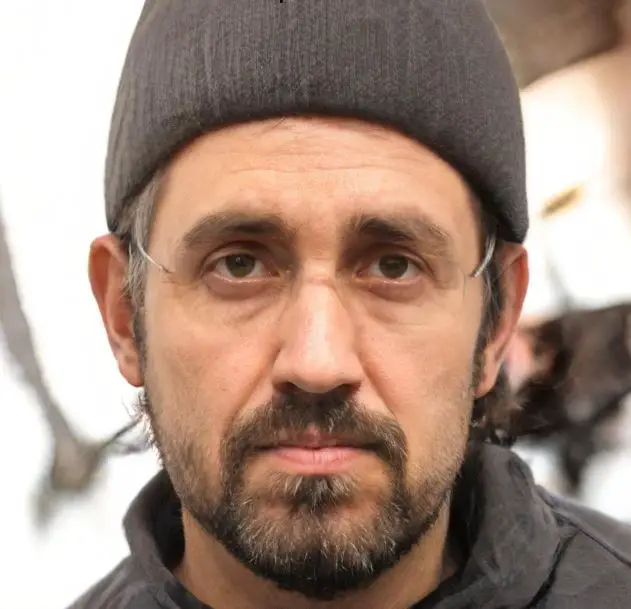
Hi, I’m TBone, a DJ with over 20 years of experience spinning tunes in clubs, on cruises, and at weddings. With a massive collection of vinyl and CDs, I always know the perfect tracks for any occasion and love sharing my passion for music through my website, Level Tunes.