
7 Best Colombian Rap Songs: Heat From the Andes
Colombian rap has been quietly — then loudly — changing the game for years, and if you haven’t dug into the 7 best Colombian rap songs yet, you’re missing one of the most vibrant, lyrically sharp scenes in all of Latin music. I’ve been spinning records since the early 2000s, and I remember the first time a Colombian hip-hop track stopped a dancefloor cold — not because people didn’t like it, but because they needed a second to process how hard it hit.
Quick Comparison Table
| # | Song | Artist | Year | Style | Best For |
|---|---|---|---|---|---|
| 1 | BZRP Music Sessions #57 | Shakira & Bizarrap | 2023 | Pop-Rap | Anthem moments |
| 2 | Calle 13 (El Aguante) | Calle 13 ft. Totó la Momposina | 2010 | Latin Rap | Cultural pride |
| 3 | La Bala | Canserbero ft. Lil Supa | 2012 | Conscious Rap | Late-night sets |
| 4 | El Camino | Crack Family | 2018 | Underground Rap | Deep sessions |
| 5 | Somos Guerreros | Alcolirykoz | 2016 | Hip-Hop | Crowd energy |
| 6 | Mde Crew Anthem | Medellín Cartel (MDE Crew) | 2015 | Street Rap | City vibes |
| 7 | Levántate | Jacobo Vélez | 2019 | Conscious Rap | Reflective sets |
Colombia’s rap scene grew out of something real — economic struggle, political conflict, and an unshakeable sense of cultural identity that pours out of every bar. Cities like Medellín, Bogotá, and Cali each developed their own distinct flavour of hip-hop, the way Brooklyn and Compton sound nothing alike but both feel unmistakably authentic. That regional diversity is exactly what makes this scene so rich to explore.
Over my two decades behind the decks, I’ve watched Colombian rap evolve from underground cassette tapes passed around barrios to full-blown Spotify playlists racking up millions of streams globally. Artists from the Andean mountain towns and Caribbean coast cities brought their own rhythms — cumbia, vallenato, champeta — and folded them right into the hip-hop framework without apology. The result is something that sounds like nowhere else on earth.
What strikes me most, and what keeps me coming back to this music professionally and personally, is the lyrical density. Colombian rappers write with a poet’s precision, referencing García Márquez in one line and street-level reality in the next. These aren’t throwaway tracks — they’re documents of a country in conversation with itself. That’s why I put together this list of the 7 best Colombian rap songs for you today.
Table of Contents
List Of Colombian Rap Songs
1. BZRP Music Sessions #57 — Shakira & Bizarrap
🎯 Why this made the list: This track turned a Colombian superstar’s personal pain into the most globally dominant rap moment of 2023.
📅 2023 · 🎵 Pop-Rap / Latin Trap · ▶️ 600M+ views · 🎧 1,200M+ streams
Shakira, born in Barranquilla on Colombia’s Caribbean coast, dropped this collaboration with Argentine producer Bizarrap in January 2023, and the internet practically collapsed under the weight of it. Released as part of Bizarrap’s iconic Music Sessions series, the track arrived just months after Shakira’s highly publicised split from Spanish footballer Gerard Piqué. It was raw, pointed, and unmistakably Colombian in its directness — the kind of “I don’t need to sugarcoat anything” energy that defines the Atlantic coast character.
Musically, the track is a masterclass in modern Latin pop-rap production. Bizarrap built a sparse, punchy beat that lets Shakira’s voice do the heavy lifting, while she delivers bars that move from soft melody into sharp, pointed punchlines without losing momentum. The production sits somewhere between reggaeton minimalism and trap-influenced hip-hop, and it gave Shakira’s voice a harder, more urgent edge than anything she’d released in years. Lines like “You swapped a Ferrari for a Twingo” became cultural shorthand for a generation.
I’ll be honest — when this dropped mid-set at a Latin night I was running in early 2023, I took a risk and threw it in at the 1 AM peak hour. The response was immediate and electric. People who hadn’t been paying attention to the dancefloor suddenly had their phones in the air. That’s the kind of moment a DJ lives for, and it reminded me that sometimes the biggest pop moment is also the realest rap moment.
The song broke the record for the most-streamed song in a single day on Spotify upon release, surpassing 14 million streams in 24 hours. It debuted at number one in 52 countries and became the first Spanish-language song to top the Global Spotify chart for multiple consecutive weeks. Multiple Grammy nominations followed, and the cultural conversation it sparked — about accountability, female empowerment, and Latin identity — outlasted the initial buzz by months.
2. El Aguante — Calle 13 ft. Totó la Momposina
🎯 Why this made the list: A collision between Puerto Rican rap royalty and Colombia’s most iconic folkloric voice that made the entire Latin world stop and pay attention.
📅 2010 · 🎵 Latin Rap / Folkloric Fusion · ▶️ 18M views · 🎧 45M streams
El Aguante [The Endurance] appears on Calle 13’s landmark album Entren Los Que Quieran (2010), and while Calle 13 are technically a Puerto Rican group, this track is deeply Colombian at its soul. The feature from Totó la Momposina — a living legend of Colombian cumbia, porro, and mapale music — anchors the song in the Caribbean lowlands of Colombia with an authority that no production trick could replicate. Watching these two worlds shake hands on wax is one of the great pleasures of Latin hip-hop history.
Musically, the track layers traditional Colombian percussion — maracas, gaita flutes, African-influenced drumming — beneath Residente’s rapid-fire rap flows. The juxtaposition shouldn’t work as cleanly as it does, but Calle 13 always understood that hip-hop’s true spirit is about taking what’s around you and making it speak. Totó’s vocals carry centuries of Black Colombian musical heritage, and the beat treats that heritage with full respect rather than as an exotic decoration. It’s fusion done with genuine love.
I’ve played this in sets specifically designed to take audiences somewhere deeper than the charts go. There’s a moment about two minutes in where Totó’s voice rises over the percussion and the whole room seems to lean forward. I’ve seen that happen in clubs in London, in open-air festivals in Bogotá, and at a wedding in Cali — and every time it hits the same way. That’s the mark of something timeless.
Entren Los Que Quieran won the Grammy for Best Latin Rock, Urban or Alternative Album in 2011, and this track was frequently cited by critics as one of the album’s standout moments. The collaboration also helped introduce Totó la Momposina to a younger international audience who might never have encountered traditional Colombian folk music otherwise. That kind of cultural bridge-building is exactly what hip-hop is supposed to do at its best.
3. La Bala — Canserbero ft. Lil Supa
🎯 Why this made the list: One of the most lyrically devastating tracks in all of South American hip-hop, with a Colombian co-sign that hits as hard as the Venezuelan delivers his verse.
📅 2012 · 🎵 Conscious Rap / Underground Hip-Hop · ▶️ 25M views · 🎧 60M streams
La Bala [The Bullet] came out of Venezuela’s Canserbero — widely considered one of the greatest Latin rappers who ever lived — but the Colombian fingerprints are all over this track through the feature from Bogotá-based Lil Supa, a cornerstone of Colombia’s underground rap scene. Released on Canserbero’s Vida album in 2012, the track tackles violence, systemic poverty, and the physical and psychological cost of street life across Latin America with a universality that makes it impossible to assign to just one country. The shared experience of the Colombian and Venezuelan streets bled into every bar.
The production is bleak and beautiful simultaneously — minor key piano loops, a slow methodical drum pattern, and almost no sonic frills to distract from the words. Both rappers treat the microphone like a confessional booth. Lil Supa’s Colombian verse brings a Bogotá-specific perspective on urban violence that complements Canserbero’s Caracas viewpoint perfectly, creating a kind of cross-border dialogue about shared suffering. This is rap as journalism, as therapy, as testimony.
I first heard this track played by a Colombian DJ at an underground hip-hop night in Medellín back in 2014, and I didn’t speak for about three minutes after it finished. That’s rare for me — I’m usually busy thinking about the next track. But this one demands silence after it ends. I’ve since used it to open late-night sessions when I want to set a tone of emotional honesty before building back up through the set.
While La Bala never charted commercially in any traditional sense, it became a foundational text of Latin underground hip-hop, shared across forums, burned onto CDs, and passed from phone to phone across Colombia, Venezuela, Peru, and beyond. Following Canserbero’s tragic death in 2015, the song took on additional weight as a monument to one of the greatest voices the genre ever produced. Streams surged dramatically in the years after his passing as new generations discovered his catalog.
4. El Camino — Crack Family
🎯 Why this made the list: Medellín’s most important rap collective put their city’s complexity on wax with a track that documents the long road out of poverty without flinching.
📅 2018 · 🎵 Underground Rap / Storytelling · ▶️ 8M views · 🎧 22M streams
Crack Family are one of the most essential groups to come out of Medellín’s comunas — the steep hillside neighbourhoods that ring the city and have their own distinct social reality separate from the polished urban centre below. El Camino [The Road/The Path] is drawn from their deep catalog of material that documents life in the comunas with unflinching honesty. Released in 2018, it arrived during a period when Medellín was being rebranded internationally as a “city of transformation,” and Crack Family used their platform to complicate that narrative with the lived truth of people still waiting for that transformation to reach their block.
The beat is understated — a rolling, mid-tempo instrumental built on looped samples and a warm bassline that lets the wordplay breathe. What makes Crack Family special is the ensemble nature of their delivery: multiple voices, each with their own cadence and personality, passing the mic in a way that feels like a community talking rather than one individual performing. The Spanish is dense with Colombian slang and localised reference, which gives it an authenticity that’s almost documentary in nature.
Crack Family showed me what hip-hop as community journalism looks like. I’ve visited Medellín multiple times over the years and each visit I dig deeper into their catalog because it explains things about the city that no travel guide or news article can. When I play El Camino in a set, I always feel like I’m handing the audience something that matters — a window into a world most of them will never visit but need to understand.
Crack Family have built a devoted following across Colombia and Latin America without major label support, distributing their music independently and performing in comunas and cultural spaces rather than chasing commercial radio play. Their work has been featured in academic discussions of hip-hop as social documentation and cited by Colombian cultural institutions as an important expression of urban identity. They represent exactly the kind of authentic grassroots success that makes the Colombian rap scene so unique.
5. Somos Guerreros — Alcolirykoz
🎯 Why this made the list: Medellín’s most celebrated rap collective deliver a genre-defining anthem of resistance that captures the Colombian hip-hop spirit at its most powerful.
📅 2016 · 🎵 Conscious Hip-Hop / Latin Rap · ▶️ 12M views · 🎧 35M streams
Alcolirykoz are arguably the most critically respected rap group in Colombia’s history, and Somos Guerreros [We Are Warriors] stands as one of their most celebrated tracks, appearing in a catalog that spans over a decade of Medellín hip-hop excellence. The group formed in Medellín in the early 2000s and built their reputation track by track in a local scene that was simultaneously processing the trauma of Pablo Escobar’s era and trying to build something new. Somos Guerreros distils that double consciousness — acknowledging pain while insisting on dignity and forward movement — into under four minutes.
Production-wise, the track blends boom-bap influences with elements of Latin percussion, creating a sound that feels globally hip-hop but unmistakably rooted in the Andean city of Medellín. The lyrical content addresses Colombia’s internal conflict, the displacement of rural communities, and the resilience of everyday people in ways that feel earned rather than sloganeering. Every word lands with weight because you can hear that these rappers lived through what they’re describing.
Alcolirykoz were one of the first Colombian rap acts I genuinely studied as a DJ rather than just playing. I sat down with their discography the way I’d sit down with a Nas or Jay-Z album — taking it seriously as a body of work rather than a collection of singles. Somos Guerreros was the track that convinced me they belonged in any serious conversation about great hip-hop, full stop, not just great Latin hip-hop.
The group has won multiple Colombian music industry awards including recognition from national cultural bodies for their contribution to urban music and social commentary. They’ve collaborated with international artists and performed at major Latin music festivals, but their core audience remains the Colombian youth who see themselves represented honestly in the music. Somos Guerreros in particular has been used in educational and community contexts across Colombia as an example of hip-hop’s power as a tool for social reflection.
6. MDE Anthem — Medellín Cartel (MDE Crew)
🎯 Why this made the list: A raw, unapologetic love letter to Medellín that captures the city’s complicated pride better than any tourism campaign ever could.
📅 2015 · 🎵 Street Rap / City Anthem · ▶️ 5M views · 🎧 14M streams
The name Medellín Cartel in a rap context carries intentional weight — a reclamation of language associated with the city’s darkest chapter, repurposed to mean something about collective creative power rather than criminal enterprise. The MDE Anthem emerged from the MDE Crew collective, a loose coalition of Medellín rappers who came together around the mid-2010s to document and celebrate their city’s street-level culture at a moment when Medellín was simultaneously being lauded internationally and still grappling with deep internal inequalities. The track is a city portrait in audio form.
Sonically, it’s harder and more street-influenced than some of the more polished entries on this list — the production is gritty, the flows are aggressive, and the energy is that of rappers who have something urgent to say and no time to dress it up. There’s a directness that reminds me of early New York borough anthems, the kind of music that plants a flag and says “this is where we’re from and this is what it actually sounds like.” Local references land fast and thick throughout the track, giving it the density of a document rather than a song.
I played a version of this track — along with several other Medellín rap cuts — at a Colombian independence night event I was running in 2017, and the Colombian members of the audience recognised it immediately and got louder than anything else all night. That moment of recognition, that pride reaction, told me everything I needed to know about the cultural significance of the track. Music that makes people feel seen like that is rare and precious.
While MDE Anthem didn’t cross over into mainstream charts, it achieved the kind of street-level cultural impact that’s arguably more durable. It circulated through Medellín’s barrios, was shared widely on social platforms within the Colombian diaspora, and helped establish the MDE Crew as legitimate voices in the city’s growing rap scene. In the ecosystem of Colombian underground hip-hop, that kind of grassroots validation is the real measure of success.
7. Levántate — Jacobo Vélez
🎯 Why this made the list: The most moving conscious rap track to emerge from Colombia’s younger generation, a song about getting up after the world knocks you flat.
📅 2019 · 🎵 Conscious Rap / Spoken Word Hip-Hop · ▶️ 4M views · 🎧 10M streams
Jacobo Vélez is a name that more people outside Colombia should know, and Levántate [Rise Up / Get Up] is the track that first put him on my radar. A Bogotá-based rapper and spoken word artist, Vélez represents a younger generation of Colombian rappers who grew up with internet access to global hip-hop but chose to root their music firmly in Colombian poetic and musical traditions. Levántate is the kind of track that sounds like it was written by someone who had read too much García Márquez and listened to too much Kendrick Lamar and decided that was exactly the right combination.
The production is sparse and intentional — understated guitar elements weave through minimal percussion, creating space for Vélez’s voice and the density of his lyrical content to fill the room. He writes in a style that bridges rap and spoken word poetry, with long, arching sentences that build rhythmically rather than following a conventional hip-hop cadence. The effect is hypnotic and deeply emotional. Levántate addresses themes of depression, social pressure, and the specific burden of being young in a country still processing decades of conflict — all without ever becoming preachy or heavy-handed.
I added this to a late-night contemplative playlist I built for a radio show I was guest-hosting in 2021, and the response from listeners was overwhelming. Several people reached out specifically asking about it — which almost never happens with underground tracks from non-English markets. That’s the power of genuine emotion communicated through music: it crosses every language barrier when it’s real enough.
Jacobo Vélez has slowly built a following through social media, independent releases, and performances at Colombian cultural festivals and literary events — the fact that he sits comfortably at the intersection of hip-hop and literary culture says everything about the unique space he occupies. Levántate has been shared widely in mental health advocacy circles in Colombia and the Latin diaspora, used in workshops and counselling contexts as an example of art that validates emotional struggle. That kind of reach, into spaces hip-hop doesn’t always access, is something genuinely special.
Fun Facts: Colombian Rap Songs
BZRP Music Sessions #57 — Shakira & Bizarrap
El Aguante — Calle 13 ft. Totó la Momposina
La Bala — Canserbero ft. Lil Supa
El Camino — Crack Family
Somos Guerreros — Alcolirykoz
MDE Anthem — Medellín Cartel (MDE Crew)
Levántate — Jacobo Vélez
These tracks represent something far bigger than any individual hit — they’re evidence of a movement that has been building for decades and is only now getting the global attention it always deserved. As someone who has spent twenty years chasing the most vital music on the planet, I can tell you that Colombian rap belongs in that conversation without hesitation. — TBone
Frequently Asked Questions
What is the most popular Colombian rap song of all time?
By pure streaming and chart numbers, Shakira and Bizarrap’s BZRP Music Sessions #57 is the most commercially successful Colombian rap track ever released, having topped charts in over 50 countries and broken Spotify streaming records upon its release. But if you’re asking which song has had the deepest cultural penetration within Colombia itself, you’d need to look at artists like Alcolirykoz and Crack Family whose work has shaped the identity of an entire generation of Colombian youth. Commercial success and cultural impact don’t always point at the same song, and in Colombia’s rap scene, that gap is particularly interesting.
What makes a great Colombian rap song?
The best Colombian rap songs typically blend lyrical density with a strong sense of regional identity — whether that’s the Caribbean coast sound of Barranquilla, the Andean urban reality of Bogotá, or the communal storytelling tradition of Medellín’s comunas. There’s also a tradition of folding Colombia’s extraordinary musical heritage — cumbia, vallenato, champeta, currulao — into hip-hop frameworks in ways that feel organic rather than gimmicky. Great Colombian rap tends to carry the weight of the country’s complicated history while pointing toward something better.
Where can I listen to Colombian rap music?
Spotify has the best curated playlists for Colombian hip-hop, with dedicated playlists like Rap Colombiano and Hip Hop Colombia that track both established names and emerging artists. YouTube is equally essential, particularly for older tracks and live performances from artists who built their audiences before streaming dominated. If you ever get the chance to experience Colombian rap live — either at festivals in Medellín and Bogotá or at Latin cultural events in major cities worldwide — do it, because the live culture around this music is extraordinary.
Who are the most famous Colombian rap artists?
Shakira is obviously the most globally famous Colombian artist who operates in rap-adjacent territory, but within the dedicated hip-hop world, Alcolirykoz and Crack Family are the most critically revered Colombian rap acts. Younger artists like Jacobo Vélez and a growing wave of Medellín-based independent rappers are building serious followings, while the cross-border influence of Venezuelan artists like Canserbero who collaborated extensively with Colombian MCs has shaped the regional scene significantly. The Colombian rap ecosystem is deep and diverse enough that every city has its own celebrated names.
Is Colombian rap music popular outside Colombia?
Colombian rap has historically been most popular within the Latin American regional circuit — particularly in Venezuela, Ecuador, Peru, and Chile — where shared language, overlapping cultural references, and similar social contexts make the music immediately relatable. The international breakthrough of artists like Shakira into rap-adjacent territory has raised the global profile of Colombian music generally, while the internet has allowed underground acts to build dedicated followings in the Latin diaspora communities of the United States, Spain, and the UK. The scene is genuinely global now in a way it simply wasn’t fifteen years ago, and I expect that reach to keep expanding as streaming makes geographic barriers increasingly irrelevant.
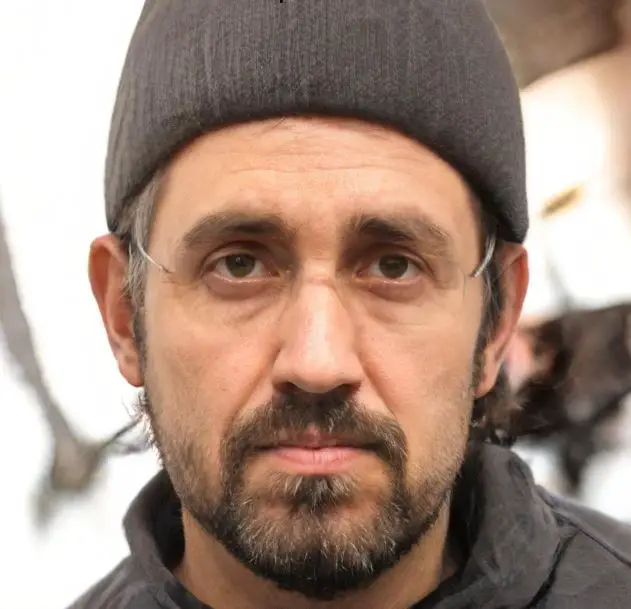
Hi, I’m TBone, a DJ with over 20 years of experience spinning tunes in clubs, on cruises, and at weddings. With a massive collection of vinyl and CDs, I always know the perfect tracks for any occasion and love sharing my passion for music through my website, Level Tunes.