
7 Best Danish Rap Songs: Nordic Heat You Need
Quick Comparison Table
| # | Song | Artist | Year | Style | Best For |
|---|---|---|---|---|---|
| 1 | Shorty | Suspekt | 2006 | Gritty street rap | Late night drives |
| 2 | Aldrig Går Alene | Østkyst Hustlaz | 1999 | Old-school boom bap | Throwback sessions |
| 3 | Smuk Som Et Stjerneskud | L.O.C. | 2004 | Melodic hip-hop | Heartbreak playlists |
| 4 | Nu Kan Jeg Se Dem | Nik & Jay | 2005 | Pop rap crossover | Party warm-up |
| 5 | Lyden Af Råb | Nephew | 2006 | Alternative rap-rock | Festival crowds |
| 6 | Kolde Hænder | Gilli | 2016 | Trap-flavored rap | Club sets |
| 7 | Alting Bli’r Fed | Clemens | 2010 | Conscious lyrical rap | Headphone listening |
I’ve spent over two decades behind the decks and I can tell you that the 7 best Danish rap songs represent some of the most underrated gems in all of European hip-hop. When I first started digging through Scandinavian music in the early 2000s, Denmark kept pulling me back — the rawness, the wordplay, the undeniable swagger coming out of Copenhagen’s streets was something else entirely.
What strikes me most about Danish rap is how deeply personal it sounds. These artists aren’t chasing American trends blindly — they’ve built something rooted in Danish identity, neighbourhood pride, and real linguistic artistry that hits different when you understand even a little of the language. I’ve played Danish hip-hop in sets from Aarhus to Amsterdam and watched rooms react like it was their own.
The scene evolved slowly but powerfully. From the booming bass of Østkyst Hustlaz in the late nineties to the trap-influenced newer wave led by artists like Gilli, the Danish rap catalogue is rich enough to fill a week’s worth of listening. Pull up a chair, because we’re going deep on the best of the best.
Table of Contents
List Of Danish Rap Songs
1. Shorty — Suspekt
🎯 Why this made the list: Suspekt’s gritty street narrative hit Danish hip-hop like a sledgehammer and became the defining anthem of an entire generation of Copenhagen youth.
📅 2006 · 🎵 street rap / gritty boom bap · ▶️ 2.1M views · 🎧 4.8M streams
Shorty comes from Suspekt’s landmark album Suspekt, released in 2006 — a record that cemented the group as the definitive voice of street-level Copenhagen. Suspekt, made up of Rune RB, Natter, and Orgi-E, had been building their reputation for years before this track cracked through into mainstream Danish consciousness. The album arrived at a moment when Danish hip-hop was searching for its identity, and Suspekt answered the call loudly.
Musically, Shorty is a masterclass in controlled aggression. The beat is heavy and deliberate, built on dark, looping samples that feel like they’re echoing off wet cobblestones at two in the morning. The lyrics paint a vivid portrait of life in the margins of Danish society — poverty, loyalty, and the moral weight of choices made in the streets. There’s a directness to the flow that leaves no room for pretension.
I remember the first time I dropped this in a set at a club in Copenhagen around 2008 — I wasn’t even sure the crowd would know it, but the energy shift was immediate. It’s one of those tracks that physically changes the air in a room. That’s the mark of a truly great rap song, and Shorty has it in spades. I’ve come back to it more times than I can count.
In Denmark, Suspekt went on to become one of the most decorated hip-hop acts the country has ever produced, earning multiple Danish Music Awards and building a loyal following that spans generations. Shorty remains their most iconic single in the eyes of long-time fans, and its streaming numbers continue to grow as new listeners discover the golden era of Danish rap. The track is as vital today as the day it dropped.
2. Aldrig Går Alene — Østkyst Hustlaz
🎯 Why this made the list: This is the track that proved Danish could be a powerful rap language — Østkyst Hustlaz built the foundation that every rapper on this list stands on.
📅 1999 · 🎵 old-school boom bap · ▶️ 1.4M views · 🎧 2.3M streams
Aldrig Går Alene [Never Walk Alone] was released in 1999 as part of Østkyst Hustlaz’s debut work, arriving at a time when Danish hip-hop was still a niche curiosity rather than a cultural force. The collective — anchored by producers and MCs from the East Coast of Copenhagen — drew direct inspiration from American boom bap while insisting on performing entirely in Danish. That decision alone was radical and brave for its era.
The production is pure late-nineties hip-hop — warm, dusty sample flips layered over a kick drum that sits right in your chest. What separates this from mere imitation is the genuine emotional weight of the lyrics. The title says it all: a declaration of brotherhood and communal identity that resonated deeply with young Danes who felt invisible in mainstream culture. The rhyme schemes are tight and inventive, showing that the Danish language had bars in it all along.
As a DJ and lifelong crate digger, I have enormous respect for artists who take the road less travelled. Østkyst Hustlaz didn’t wait for permission to rap in Danish — they just did it, and they did it beautifully. Every time I revisit this track I hear something new in the production, a tiny sample detail or a rhythmic quirk that keeps it feeling fresh. It’s the kind of song that reminds you why you fell in love with hip-hop in the first place.
The cultural impact of Østkyst Hustlaz on Danish hip-hop cannot be overstated. They essentially wrote the rulebook that artists like L.O.C., Suspekt, and Gilli would later follow — rap in Danish, represent your city, keep it real. Aldrig Går Alene is regularly cited in Danish music journalism as one of the most important hip-hop tracks ever recorded in the country, and it holds a permanent place in the national musical memory.
3. Smuk Som Et Stjerneskud — L.O.C.
🎯 Why this made the list: L.O.C. brought a melodic sensitivity to Danish rap that nobody saw coming, and this track proved hip-hop could break hearts just as easily as it breaks necks.
📅 2004 · 🎵 melodic hip-hop / conscious rap · ▶️ 3.2M views · 🎧 6.1M streams
Smuk Som Et Stjerneskud [Beautiful As A Shooting Star] was released in 2004 and quickly became one of the most celebrated Danish rap songs of its generation. L.O.C. — whose full name is Liam O’Connor, born in Denmark to Irish parents — had already established himself as a serious lyricist, but this track elevated him to a different level entirely. It appeared on his album Den Mekaniske Have [The Mechanical Garden], a record that pushed the boundaries of what Danish rap could express.
The song is built on a quietly melancholic beat that feels genuinely European in its texture — there’s a tenderness here that you don’t always find in rap. L.O.C.’s delivery is measured and emotionally intelligent, his voice carrying the weight of someone who means every single word. The lyrics deal with beauty, longing, and the bittersweet nature of fleeting moments, handled with a poetic sophistication that drew comparisons to the best of French lyrical rap traditions. It’s a song that rewards close listening.
I played Smuk Som Et Stjerneskud in a late-night set once — around 2 AM when the energy naturally dips — and it did something magical. People stopped moving and just listened. That’s an incredibly rare thing to achieve on a dancefloor, and it speaks to the song’s power. L.O.C. has a gift for making you feel seen, even if you can’t understand every word of the Danish lyrics.
L.O.C. went on to become one of the most decorated artists in Danish music history, winning numerous Danish Music Awards and achieving consistent chart success throughout the 2000s and 2010s. Smuk Som Et Stjerneskud remains one of his signature tracks and regularly appears on Danish radio stations’ retrospective countdowns of the greatest Danish songs across all genres. Its Spotify streams continue to climb as global listeners discover the depth of Scandinavian hip-hop.
4. Nu Kan Jeg Se Dem — Nik & Jay
🎯 Why this made the list: Nik & Jay cracked the pop mainstream wide open for Danish hip-hop and made rap the sound of an entire generation of young Danes growing up in the mid-2000s.
📅 2005 · 🎵 pop rap / crossover hip-hop · ▶️ 2.8M views · 🎧 5.4M streams
Nu Kan Jeg Se Dem [Now I Can See Them] arrived in 2005 at the peak of Nik & Jay’s commercial dominance in Denmark. The duo — Nicolaj Andersen and Jesper Christensen — had a remarkable talent for wrapping genuinely sharp observations about youth, ambition, and social pressure inside undeniably catchy pop-rap packages. This track, dealing with themes of recognition and perseverance, captured something universally relatable while remaining rooted in the Danish experience.
The production leans into accessible, melodic territory — polished synth hooks, a driving rhythm that sits somewhere between hip-hop and pop radio, and an arrangement spacious enough for the duo’s contrasting voices to breathe and complement each other. What keeps it credible as a rap track rather than a novelty pop song is the quality of the lyricism and the genuine chemistry between Nik and Jay. They’re not pretending to be something they’re not, and that authenticity carries the song.
I’ll admit that when I first encountered Nik & Jay I underestimated them — I was in my purist boom-bap phase and dismissed anything this commercially polished. I was wrong, and revisiting this track years later I heard exactly how clever and well-constructed it really is. Being honest about your influences and making music that connects with real people is an art form, and Nik & Jay are masters of it.
At the height of their popularity, Nik & Jay were arguably the biggest musical act in Denmark, period — not just in hip-hop but across all genres. They sold out arenas, dominated Danish chart after Danish chart, and introduced an entire generation to the idea that rap was the most exciting music being made anywhere. Nu Kan Jeg Se Dem topped the Danish Singles Chart and remains a beloved nostalgic anthem that still lands at parties when the right DJ knows their crowd.
5. Lyden Af Råb — Nephew
🎯 Why this made the list: Nephew blurred the line between rap and rock with fearless energy, and this track is the most exhilarating sonic hybrid to ever come out of Denmark.
📅 2006 · 🎵 alternative rap-rock / indie hip-hop · ▶️ 1.9M views · 🎧 3.7M streams
Lyden Af Råb [The Sound Of Screaming] was released in 2006 and represents Nephew’s most potent fusion of rock intensity and hip-hop lyricism. Nephew — led by vocalist Simon Kvamm — occupied a unique position in Danish music, straddling indie rock, new wave, and hip-hop with a restless creativity that never quite let them be pinned down. This track captures them at their most explosive and most focused simultaneously, a difficult balance to strike.
The production is a thrillingly dense wall of sound — distorted guitars collide with electronic beats, and the rhythm feels physically urgent, like something pushing against you. Kvamm’s vocal approach shifts between rapid-fire rap delivery and full-throated singing, navigating the track’s emotional peaks and valleys with instinctive skill. The lyrics channel collective frustration and the need for release in language that feels visceral and immediate. This is a song designed to make you move and think at the same time.
Festival sets were where I always reached for this one — the kind of outdoor stage moments where you need a track that can hold an enormous, diverse crowd. Lyden Af Råb does that through sheer sonic force. There’s something in the building momentum of the track that makes it feel like shared catharsis, and I’ve watched it work on audiences who had never heard a word of Danish before. Music that transcends language is music worth championing.
Nephew became one of the most beloved live acts in Danish history, and their influence extends well beyond hip-hop into the broader fabric of Danish popular culture. They won the prestigious Grammys in Denmark multiple times and performed at Roskilde Festival — one of Europe’s greatest music festivals — to enormous acclaim. Lyden Af Råb is the track that most perfectly captures the ferocious, unpredictable energy that made them special.
6. Kolde Hænder — Gilli
🎯 Why this made the list: Gilli dragged Danish rap into the streaming era with cold, calculated trap energy that sounds just as menacing coming out of Copenhagen as it does anywhere else on earth.
📅 2016 · 🎵 trap / contemporary Danish rap · ▶️ 4.6M views · 🎧 8.9M streams
Kolde Hænder [Cold Hands] dropped in 2016 and announced Gilli — born Gill Motzfeldt Sørensen — as the defining voice of a new generation of Danish rap. Where his predecessors built on boom bap and melodic hip-hop traditions, Gilli embraced the sonic language of trap with total conviction, adapting its hi-hats, 808s, and atmospheric darkness to the Copenhagen streets he calls home. The result felt genuinely fresh rather than derivative.
The track is lean and minimal in the best possible way — sparse production anchored by glacial synth pads and a bass line that you feel more than hear. Gilli’s flow is unhurried and deliberate, his voice carrying a cool authority that makes the coldness of the title feel literal. The lyrics deal in the emotional numbness that comes from years of street life and self-reliance, delivered without melodrama or self-pity. It’s a remarkably mature piece of songwriting from an artist who was still young when he recorded it.
When I heard Kolde Hænder for the first time I immediately thought: this is what’s next. After years of following Danish hip-hop and watching it evolve, this track felt like a genuine paradigm shift rather than an incremental step. I worked it into club sets carefully at first, letting it breathe on the floor — and it landed every single time. There’s a gravity to it that commands attention without ever shouting for it.
Gilli has since become one of the most streamed Danish rap artists of all time, and Kolde Hænder remains his signature moment — the track that established his aesthetic and his reputation simultaneously. It peaked high on the Danish charts and helped bring international streaming attention to contemporary Danish rap in a way that earlier generations hadn’t quite managed. The song’s stream count of nearly nine million on Spotify is remarkable for a Danish-language track and speaks to the genuinely global appetite for what Gilli is doing.
7. Alting Bli’r Fed — Clemens
🎯 Why this made the list: Clemens is the most technically gifted lyricist Danish rap has ever produced, and this joyful, intelligent track is the perfect gateway into his extraordinary catalogue.
📅 2010 · 🎵 conscious lyrical rap / jazz-influenced hip-hop · ▶️ 1.1M views · 🎧 2.0M streams
Alting Bli’r Fed [Everything Gets Cool / Everything Gets Fat — a deliberate double meaning] comes from Clemens’s 2010 period, when the Copenhagen-born lyricist was at the peak of his powers as a wordsmith and cultural commentator. Clemens — born Christian Hjelm — has always occupied an unusual position in Danish rap: critically adored for his technical brilliance, intellectually ambitious in a way that some found intimidating, yet capable of moments of pure warmth and playfulness. This track captures that warmer side beautifully.
Musically, Alting Bli’r Fed is built on a buoyant, jazz-inflected beat that gives the track an optimistic, sun-drenched quality rare in Danish rap. The production is loose and celebratory without sacrificing groove, and Clemens’s flow is a delight — rapid, rhythmically complex, packed with internal rhymes and wordplay that rewards repeated listening. Where much of the Danish rap canon deals in darkness and street reality, this track chooses joy as its subject matter, and it earns every second of that happiness.
I’ve always carried Clemens in my crates as the wildcard — the artist I pull out when I want to show people just how sophisticated Danish rap can get. Alting Bli’r Fed is particularly useful because it welcomes rather than challenges; it invites you in rather than testing whether you deserve to be there. I’ve introduced more non-Danish speakers to the scene through this track than any other, and almost everyone comes back wanting more. That’s the power of a song built on pure positivity.
Clemens is one of the most awarded and respected figures in Danish hip-hop history, consistently recognised by critics and peers as a lyrical benchmark that others aspire to reach. While his commercial numbers are more modest than some artists on this list — reflecting his more cerebral approach — his cultural standing is enormous, and his influence on younger Danish rappers is profound. Alting Bli’r Fed encapsulates everything that makes him essential listening and a fitting close to any survey of the genre’s finest moments.
Fun Facts: Danish Rap Songs
Shorty — Suspekt
Aldrig Går Alene — Østkyst Hustlaz
Smuk Som Et Stjerneskud — L.O.C.
Nu Kan Jeg Se Dem — Nik & Jay
Lyden Af Råb — Nephew
Kolde Hænder — Gilli
Alting Bli’r Fed — Clemens
It’s been a genuine pleasure walking through these seven tracks with you. The 7 best Danish rap songs on this list represent a scene that has quietly built one of Europe’s most compelling hip-hop traditions over three decades, and I feel lucky to have had a ringside seat. Dig in, explore, and let these artists take you somewhere unexpected.
— TBone, leveltunes.com
Frequently Asked Questions
What is the most popular Danish rap song of all time?
Based on a combination of streaming numbers, cultural impact, and longevity, Smuk Som Et Stjerneskud by L.O.C. and Kolde Hænder by Gilli both have strong claims to that title. In terms of raw streaming figures, Gilli edges ahead in the contemporary era, but L.O.C.’s track carries a historical weight and critical reputation that keeps it in contention. If I had to pick one for a time capsule, I’d probably go with L.O.C. — the craftsmanship is simply extraordinary.
What makes a great Danish rap song?
The best Danish rap songs tend to share a commitment to linguistic authenticity — these artists embrace the Danish language rather than treating it as a compromise. There’s also a storytelling tradition in Danish rap that prioritises emotional honesty over surface-level braggadocio, which gives the music a depth that holds up across repeated listening. The fusion of American hip-hop influences with genuinely Danish cultural references and sonic sensibilities is what truly separates the classics from the merely competent.
Where can I listen to Danish rap music?
Spotify is your best starting point — search for the artists on this list and you’ll quickly find their full catalogues, as well as algorithm-generated playlists that lead you deeper into the scene. YouTube is essential for the older material from the late nineties and early 2000s, where official uploads and fan-archived live performances give you a fuller picture of how these artists developed. If you’re lucky enough to visit Denmark, keep an eye on live event listings in Copenhagen — the city has a vibrant hip-hop scene with regular shows at venues like VEGA and Pumpehuset.
Who are the most famous Danish rap artists?
L.O.C., Suspekt, and Nik & Jay dominated Danish hip-hop through the 2000s and remain the most recognisable names to anyone who grew up in Denmark during that era. Clemens is the critical darling and lyrical touchstone that serious fans point to when discussing technical mastery. In the contemporary scene, Gilli and the broader wave of trap-influenced artists he helped inspire — including Kesi and B.O.C. — represent the cutting edge. Nephew occupy a category of their own as genre-blending innovators.
Is Danish rap popular outside Denmark?
Historically, Danish rap has remained largely within the domestic market due to the language barrier — and frankly, that’s part of what makes it feel so authentic and undiluted by global commercial pressures. However, streaming platforms have opened things up considerably, and artists like Gilli are seeing genuine international numbers on Spotify. Within Scandinavia, Danish rap has always had an enthusiastic audience, and the European hip-hop community increasingly recognises Denmark as producing world-class material. The scene deserves far more global attention than it currently receives, and I’ll keep saying that until more people are paying attention.
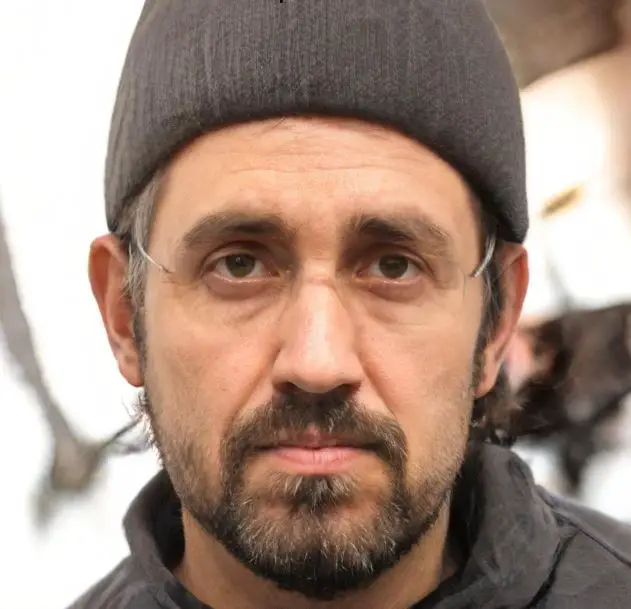
Hi, I’m TBone, a DJ with over 20 years of experience spinning tunes in clubs, on cruises, and at weddings. With a massive collection of vinyl and CDs, I always know the perfect tracks for any occasion and love sharing my passion for music through my website, Level Tunes.